
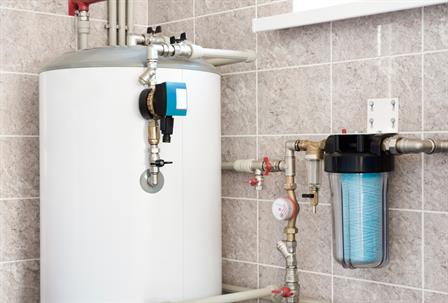
You probably do not think about your water heater until someone gets a cold shower or you spot water in the garage. By then, the damage is often done, and you are scrambling to get a new unit installed while trying to protect your floors and your budget. For a lot of Lake Charles families, that surprise is what turns a simple appliance into a major headache.
In reality, most water heaters give off warning signs long before they fail, and the way you use and maintain yours in Southwest Louisiana has a big impact on how long it lasts. Local water, our hot and humid climate, and the way many Lake Charles homes are built all play a role. With a little planning, you can often push replacement further down the road and avoid those “no hot water” emergencies.
At AllStar Plumbing, we have been working on water heaters in Lake Charles and the surrounding areas since 2013. Our trained and certified technicians spend every week flushing tanks, replacing failed units, and helping homeowners make smart choices about maintenance. The tips below come straight from what we see in local homes, so you can use them to extend your water heater’s lifespan in Lake Charles and know when it is time to call in our team.
How Long Water Heaters Really Last in Lake Charles
Most homeowners hear a number somewhere around 8 to 12 years for a traditional tank-style water heater and assume that is an automatic expiration date. In practice, those numbers are broad averages based on general manufacturer expectations, not hard rules. Some tanks in Lake Charles fail earlier, and others run well for longer, depending on how they were installed, how much they are used, and whether anyone ever maintains them.
In a typical Lake Charles home with a tank-style heater, we often see units start showing age-related issues in that 8 to 12 year window if they have never been flushed or inspected. Heavy hot water use, such as large families or homes with multiple bathrooms and high-flow fixtures, can shorten that span. Tankless heaters can operate for a longer period when they are maintained, but they are not immune to buildup or wear, especially in our region.
Local conditions matter more than many people realize. Municipal water in Lake Charles carries minerals and sediment that can settle out in the bottom of tanks over time. Houses built with water heaters in garages, attics, or tight closets may have less-than-ideal ventilation or drainage, which affects rust and moisture exposure. Two neighbors with the same brand heater can see very different lifespans simply because one flushes the tank and keeps an eye on warning signs while the other ignores the unit until it leaks.
Because we have been working on water heaters in this area since 2013, we have seen the full range, from relatively new tanks that are completely packed with sediment to older units that are still operating because they were installed correctly and maintained. The goal is not to chase an unrealistic number, but to understand how maintenance, usage, and Lake Charles conditions affect your heater so you can get the most value out of it before replacement becomes the smarter move.
Sediment Buildup: The Quiet Killer of Water Heaters
Sediment is one of the biggest reasons water heaters in Lake Charles fail sooner than they need to. Every time water flows into your tank, it brings small amounts of minerals and fine particles with it. These heavier particles settle to the bottom of the tank, right where the burner or lower heating element is trying to heat the water. Over years of operation, that sediment layer gets thicker and harder.
As sediment builds up, it changes the way heat moves through the tank. Instead of heat passing directly from the burner or element into the water, it has to travel through a blanket of minerals first. That layer acts like insulation, so the heater tends to run longer and hotter to raise the water temperature. The metal at the bottom of the tank experiences more intense heat, which stresses it and can lead to early failure. This is also why older tanks with a lot of buildup often make popping or rumbling noises as steam bubbles try to push through the sediment.
We frequently drain water heaters in Lake Charles and show homeowners the heavy, sandy material that comes out. Many are surprised by how much sediment has collected in a tank that still looks fine from the outside. The more sediment there is, the more likely you are to notice symptoms like noisy operation, cloudy or gritty hot water, or reduced hot water volume. Ignoring those signs keeps pushing the heater harder and can crack the tank lining or overheat elements.
Flushing the tank helps remove a portion of this buildup so the heater can operate closer to the way it did when it was new. Both gas and electric water heaters benefit from this, although the noises and performance changes may show up differently between the two. Our technicians regularly perform full tank drains and flushes for Lake Charles customers, and that simple step often restores quieter operation and better performance while reducing stress on the tank. Over time, that kind of care can make a real difference in how long the unit stays reliable.
Corrosion, Anode Rods, and Why Tanks Start Leaking
Even with good sediment control, every traditional water heater faces another enemy, corrosion. Inside the tank there is a steel shell that is usually protected by a glass-like lining. That lining is not perfect, and tiny flaws or damage over time let water reach the steel. When steel and water stay in contact, especially at elevated temperature, rust is the natural result.
This is where the anode rod comes in. The anode rod is a metal rod installed inside the tank that is designed to corrode first. It is often made of magnesium or aluminum, metals that are more reactive than the steel walls of the tank. The water inside the tank attacks the anode rod instead of the tank, which is why plumbers sometimes call it a “sacrificial” rod. As long as the rod has material left, it absorbs most of the corrosion that would otherwise go after the tank itself.
Over the years, the anode rod is slowly eaten away. If no one ever checks it, the rod can eventually be consumed to the point that it no longer offers real protection. Once that happens, the tank walls start to rust anywhere the lining is thin or damaged. At first, you may not see anything, but inside the tank, flakes of rust can cloud your hot water. Eventually, that corrosion creates weak spots, and small leaks can develop through the steel shell.
Once a tank has started to leak from rust, there is no realistic way to repair it, and replacement is usually the only sensible option. However, on some units, especially those that are not yet very old, checking the anode rod and replacing it when it is heavily worn can slow that process. At AllStar Plumbing, our fully licensed, bonded, and insured technicians often inspect the anode rod during maintenance visits. We show homeowners what we find and talk through whether replacing the rod or planning for a new heater is the better investment, based on the age and condition of the system.
Simple Maintenance Habits That Add Years to Your Water Heater
Extending a water heater’s lifespan in Lake Charles is not about complicated projects. It is mostly about a few consistent habits that keep sediment under control, catch small issues early, and prevent avoidable stress on the system. The key is knowing which tasks are safe to do yourself and when it is smarter and safer to bring in a professional.
One of the most valuable steps is periodic flushing of the tank. This involves turning off power or gas to the heater, attaching a hose to the drain valve, and carefully draining water out to remove sediment from the bottom. Done correctly, this helps restore more efficient heat transfer and reduces hot spots that fatigue the tank. However, handling hot water, gas lines, or electrical connections can be risky if you are not familiar with the process, which is why many homeowners prefer to have a licensed plumber perform a full flush.
Between flushes, basic visual checks go a long way. Look around the base of the heater for dampness or standing water, check the top for rust at connections, and listen for new noises when the unit runs. Keeping the area around the heater clear of clutter improves airflow and makes it easier to spot problems early. If anything looks or sounds different than usual, that is a good time to schedule a closer inspection before a minor issue turns into a major leak.
At AllStar Plumbing, we offer flat-rate pricing and free estimates for water heater maintenance, so you know the cost of a flush or inspection before we start. Many Lake Charles homeowners choose to have us handle tasks like tank flushing, anode rod checks, and detailed inspections in a single visit. That way, they can combine everything into a clear service plan instead of trying to tackle each item alone.
What Most Homeowners Can Safely Do Themselves
There are several low-risk steps most homeowners in Lake Charles can handle without tools or technical training. Start by locating the data label on your water heater, which usually lists the manufacture date and model information. Note that date somewhere you can easily find it again, such as on a calendar reminder or your phone, so you do not have to guess the unit’s age later.
Every month or two, take a quick look around the heater. Check the floor or pan for damp spots, scan the tank for rust streaks, and notice any unusual smells. Make sure boxes, paint cans, or other items are not stacked right against the heater, especially if it is gas-fired and needs air for proper combustion. If your model has an accessible temperature dial on the front, you can learn what the markings mean and verify that it is not set unnecessarily high, making small, cautious adjustments if needed.
When It Pays To Call a Lake Charles Plumber
There are other situations where bringing in a professional is the safer and more cost-effective choice. If your water heater is older, noisy, or showing signs of rust, a trained plumber can evaluate how much life is left and whether maintenance is worth the investment. Tasks like full tank flushing, anode rod replacement, and work that involves opening electrical panels or disconnecting gas lines should be handled by someone with the right training and tools.
Homes in Lake Charles with gas water heaters, tankless systems, or complex setups tied into circulation loops and gas lines especially benefit from licensed service. Our local team can often provide same-day availability for these visits. We inspect the full setup, perform needed maintenance, and then give you a clear picture of what to expect in the coming years, so you are not caught off guard by a sudden failure.
Warning Signs Your Water Heater Is Near the End
No matter how well you care for a water heater, there comes a point where replacement is the sensible option. Recognizing the warning signs early gives you time to plan the budget and schedule a replacement on your terms, instead of dealing with a flooded garage or a tank that quits on a weekday morning before work and school.
Age is one important factor. If your tank-style water heater is in that 8 to 12 year range or older and has never been flushed or inspected, the chances of internal corrosion and heavy sediment are higher. You can usually find the manufacture date on the label on the tank. Pairing that information with how often the heater runs in your household gives a general sense of where it is on its lifecycle.
Pay close attention to signs like rusty or discolored hot water, water that runs out much faster than it used to, or a tank that needs frequent resets or relighting. Moisture around the base of the heater, especially if it keeps coming back, can signal a small leak that is likely to worsen. Popping or banging sounds that get louder over time usually indicate heavy sediment that is stressing the tank. While some of these issues can be addressed with maintenance, others are red flags for deeper corrosion.
When we inspect older heaters in Lake Charles, we look at the age, visible condition, noise level, water quality, and how the heater is installed. Then we provide a detailed service plan that explains whether a flush or minor repair makes sense or whether putting more money into a heavily corroded tank is not wise. We walk through options and upfront pricing so you can decide whether to extend the unit’s life a bit longer or move forward with a planned replacement.
Why Local Lake Charles Experience Matters for Your Water Heater
Online advice about water heaters often assumes a generic home and water supply. In Lake Charles, the way homes are built and the way our weather behaves create specific challenges. Many local houses have water heaters tucked into garages or closets that are exposed to moisture and temperature swings. Others are in attics, where small leaks may go unnoticed until they cause ceiling damage. Local storm activity and power issues can also affect how heaters age.
Because our technicians live and work here, we are familiar with how these factors show up in real systems. After strong storms, we often see heaters that have been exposed to standing water around the base or that took a hit from electrical issues. In some neighborhoods, we see the same types of installation shortcuts, like missing drain pans or lack of proper discharge piping, which can make a small leak much more destructive. Knowing these patterns helps us give more focused advice and suggest upgrades that actually matter for Lake Charles homes.
AllStar Plumbing has been serving Southwest Louisiana since 2013, providing a complete range of plumbing services that includes water heater maintenance, repairs, and replacement, along with related work such as gas lines repairs. Our clean, uniformed team is fully licensed, bonded, and insured, and we build our business around honesty and convenience. That means flat-rate pricing, free estimates, and detailed service plans so you know what will happen at every step instead of guessing.
Whether you want to set up routine maintenance to help your water heater last longer or you are already seeing signs that it may be near the end, having a local team that understands Lake Charles conditions can make a real difference. We combine that local insight with clear communication and same-day availability whenever possible, so you can protect your home and your budget.
Keep Your Hot Water Reliable With Local Help You Can Trust
Your water heater will not last forever, but you have more control over how and when it fails than many people realize. By understanding how sediment, corrosion, temperature settings, and local conditions in Lake Charles affect your system, and by adopting a few simple maintenance habits, you can often delay replacement and avoid the worst kinds of surprise breakdowns.
If your water heater is getting older, making noise, or has never had a proper flush or inspection, this is a good time to take action. The team at AllStar Plumbing can review your current setup, perform the maintenance it needs, and give you a clear, flat-rate plan for either extending its service life or planning a smooth replacement before an emergency hits.
Call (337) 545-2855 to schedule water heater service in Lake Charles today.