
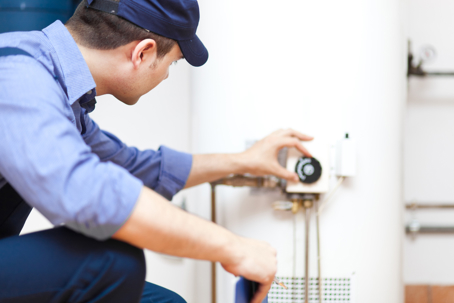
Replacing a water heater can feel stressful, especially when you are trying to plan around work, kids, and the thought of a day without hot water. You might be wondering how long the job will take, what you need to do before the plumbers show up, and whether there will be any surprise costs. That uncertainty alone can make an already inconvenient problem feel even bigger.
You are not alone in that. Most Lake Charles homeowners only go through a water heater replacement a handful of times in their lives, so the process is unfamiliar. The good news is that a little preparation goes a long way. When you know what to expect and take a few simple steps before installation day, the visit usually feels more like a routine home project and less like a disruption.
At AllStar Plumbing, we have been installing and replacing water heaters in Lake Charles and throughout Southwest Louisiana since 2013. Our local, licensed, bonded, and insured team uses flat-rate pricing and free estimates, and we provide detailed service plans so you know what will happen at each step. In this guide, we will walk you through how to get your home ready and what our crew typically does from the moment our branded truck pulls up to the curb.
What To Expect From A Typical Water Heater Installation Day
Before you start moving boxes or checking breakers, it helps to picture what a normal installation day looks like. In many Southwest Louisiana homes, a standard tank water heater replacement takes a few hours from the time we arrive until the new unit is filled, heating, and tested. The timing can vary based on the location of the heater, the age of your plumbing, and whether we are making any upgrades, but the basic flow is similar from home to home.
We typically arrive during a scheduled window in one of our branded trucks, and uniformed technicians introduce themselves and review the plan with you. We take a quick look at the existing water heater, confirm the size and fuel type discussed in the estimate, and walk the path from the entry to the heater to make sure we can move tools and the new tank safely. This walkthrough is also when we point out anything that looks different from what we expected, such as a very tight closet or attic access that might slow things down.
Once we are ready to begin, we shut off the water supply to the heater, and for gas units, we also turn off the gas line at the appropriate valve. For electric units, we turn off the correct breaker. We then drain the old heater, disconnect the water and fuel lines, and remove the unit from its location. After that, we set the new heater in place, reconnect water and fuel or electrical lines, and address any planned upgrades such as new valves or a drip pan with a drain. The final stage is filling the tank, checking for leaks, testing the burner or elements, and confirming hot water is on the way.
During most of this process, your home will be without hot water, but cold water typically remains available. The downtime usually covers our on-site work plus the time it takes the new tank to heat up after it is filled. Because we have been doing this in Lake Charles homes since 2013, our team can give you a realistic time range for your particular setup when we arrive, based on what we see during that initial walkthrough.
Confirming The Right Water Heater For Your Home
One of the biggest ways homeowners can prepare happens before installation day even reaches the calendar. Choosing the right water heater for your home affects how satisfied you are with hot water supply, how involved the installation will be, and how long the visit may take. Many people assume they can simply swap out the old tank for any new one that fits in the space, but capacity, fuel type, and location all matter.
Capacity is the first piece. For tank-style water heaters, capacity is measured in gallons. A small apartment may do well with a 30 gallon tank, while many families in Lake Charles use 40 or 50 gallon units to keep up with back-to-back showers, laundry, and dishes. If your current heater routinely runs out of hot water, that is a sign that the original size might have been undersized for your household. On the other hand, an oversized tank can cost more to run than you really need, so matching size to usage is important.
Fuel type is the next consideration. Some homes have gas water heaters that rely on a gas line and venting system. Others use electric units that connect to a dedicated electrical circuit. Switching from electric to gas, or from gas to electric, is more involved than a simple swap. Adding a new gas line or new electrical circuit often means extra work and additional cost, and venting requirements for gas units bring building codes into the picture. Talking through these choices with a plumber ahead of time helps you avoid surprises on installation day.
Location also plays a role. A water heater in a garage or utility room is often easier to access than one in a tight interior closet or up in an attic. If you are considering changing where your water heater sits, perhaps to free up storage or move it out of living space, that can add plumbing changes that need to be planned and quoted in advance. Our trained and certified technicians look at all of these details during your free estimate, then provide a detailed service plan and flat-rate price tailored to your home so that on installation day we all know which unit is going in and what work it involves.
Preparing The Space And Access Path For Your New Water Heater
Once the right unit has been picked out, the most practical way you can help is by making it easy for us to reach the old heater and bring in the new one. Every water heater, even a smaller tank, is bulky and heavy. We need a clear, safe path from our truck to the installation spot, and enough room to work around the heater once we are there. This is where a little bit of decluttering can shave real time off the visit.
Start by walking the same path our crew will use. Think about the main door we will likely enter through, then every hallway, turn, and staircase between there and the water heater. In many Lake Charles homes, heaters are in garages, laundry rooms, interior closets, or attics. Move shoes, rugs, boxes, small furniture, and anything else that sticks out into that path. If the heater is in a closet, clear that closet of stored items on the floor and low shelves so there is full access to the unit and the surrounding walls.
The work area around the heater is just as important as the path. We typically need space to stand in front of the unit and to move tools and parts on either side. Stacked storage bins, paint cans, holiday decorations, or laundry supplies can make it hard to maneuver safely, especially if the heater is elevated or in a corner. Clearing two to three feet of space in front of and beside the unit lets us work more efficiently and reduces the chance of bumps and spills around your belongings.
Pets and vehicles are also part of access preparation. If our path crosses areas where dogs or cats roam, plan to keep them in a separate room or yard while we are carrying in equipment and old tanks. For garages and driveways, try to leave enough room for our truck to park close to the access point, and move parked cars if they block the path from the driveway to the entry door. Our detailed service plans explain which door and area we expect to use, and our clean, uniformed team treats your home with care, using drop cloths and protective measures whenever possible when you have that path opened up.
Locating Water, Gas, And Electrical Shutoffs Before We Arrive
Another key step that many homeowners overlook is knowing where the main shutoffs are. On installation day, we shut off water to the heater, and for gas or electric models, we shut off the appropriate fuel source before any work begins. When shutoff points are hidden behind stored items or nobody in the home knows where they are, the first part of the visit can turn into a scavenger hunt. Spending a few minutes on this beforehand helps us get straight to work.
Your main water shutoff valve is often near where the water line enters the home. In some Lake Charles houses, that is in a front flower bed or near an exterior wall. In others, it may be in a utility room or by the water heater itself. The valve typically looks like a handle or lever on a pipe. You do not need to operate the valve yourself. Just knowing where it is and making sure we can reach it without moving heavy furniture or appliances saves time.
For gas water heaters, there are usually two key spots. One is the gas shutoff valve on the gas line that runs to the heater, usually a small handle on a pipe near the unit. The other is the main gas shutoff outside, often near the gas meter. Again, we do not expect you to turn these off yourself, but clearing boxes, yard tools, or storage away from these areas means our technicians can quickly and safely access them when the work begins.
Electric water heaters rely on a dedicated breaker in your electrical panel. Take a moment to open the panel door and look for a breaker labeled “water heater” or similar. If it is not labeled, that is not unusual, but any partial labeling helps. Let us know if the panel is in an area that is blocked or hard to reach, such as behind stored items in a garage. Our licensed, bonded, and insured team handles switching off the power and confirming it is off before work starts, but you can make that step easier by knowing where the panel is and keeping it accessible.
If you cannot find one or more of these shutoffs, mention that when you schedule or confirm your appointment. We work in homes across Southwest Louisiana every day and can typically locate them quickly, but knowing ahead of time that they are unknown helps us plan a little extra time into the visit.
What To Do With Your Old Water Heater And Existing Connections
Many homeowners are unsure what happens to the old water heater. The thought of a heavy, rusty tank sitting in the garage after the crew leaves is not appealing. In most installations, our team drains the old heater, disconnects it, and hauls it away as part of the service. That is one more reason we need a clear path from the heater to the exit, since we are moving both the new unit in and the old one out.
While the old heater is being removed, we get a close look at the existing piping, valves, and venting. In older Lake Charles homes, we often find shutoff valves that are corroded and hard to turn, drain pans without proper drain lines, or vent pipes that do not match current best practices. These were often acceptable when the original heater was installed, but over time standards change. When we replace a heater, we frequently recommend updating those parts so the new unit is set up on solid, safe connections.
Typical upgrades might include adding or replacing a shutoff valve above the heater so future maintenance is easier, installing a drip pan and drain line for units in interior spaces or attics where leaks could damage ceilings, or correcting vent connections on gas models to improve draft. Each of these items takes additional time and materials, but they are often discovered only when the old heater is out of the way and we can see the full setup. Knowing that these findings are common in older systems helps you understand why they sometimes come up during a replacement.
Because unexpected findings can affect cost, our approach at AllStar Plumbing is to talk about likely upgrade scenarios during the free estimate. Our technicians explain what they see, what might come up based on the age and condition of your system, and then provide a flat-rate quote that covers the agreed scope. If we uncover something unusual on installation day, we stop and review it with you before proceeding. This way, you get a clear picture of how the old heater will be removed, what will be updated, and how much the full job will cost, without worrying about hourly charges creeping up.
Planning Your Day Around Installation And Hot Water Downtime
Water heater replacement affects your routine for a short window, so it helps to plan your day with that in mind. For many standard swaps in Southwest Louisiana homes, we are on-site for a few hours, and hot water is unavailable during much of that time plus the heating period afterward. If you plan ahead for showers, laundry, and dishes, this disruption is usually very manageable.
A simple approach is to schedule showers for early in the morning before we arrive, or later in the evening after the new tank has had time to heat. You might run the dishwasher or a load of laundry the night before so you are not stuck needing hot water while we are working. We can give you a general idea of how long it typically takes a new tank of your size and fuel type to reach normal temperature once it is filled, so you can plan accordingly.
Someone 18 or older needs to be home while we are working. At the start of the visit, we review the plan, confirm details about the new heater, and walk through any potential changes. If we run into something unexpected, such as a hidden leak or severely corroded fittings, we will want to discuss options with you before moving forward. Having a decision-maker on-site keeps everything moving without long delays.
How We Communicate With You Before, During, And After Installation
Clear communication turns a complicated project into a straightforward one. From the first call, our goal is to keep you informed about what we will do, how long it will take, and what it will cost. That starts with a free estimate where we look at your existing heater, talk through your household’s hot water use, and discuss any known issues like low hot water volume or signs of leaks around the tank.
After that visit, we provide a detailed service plan. This outlines the model and size of the water heater we recommend, whether it is gas or electric, the main steps we will take on installation day, and any likely upgrades to valves, pans, or venting. The flat-rate price we quote is tied to this plan, so you can see exactly what is covered. Many homeowners in Lake Charles tell us that having this written plan reduces a lot of the stress they felt going into the project.
On installation day, we keep you updated as we move through the work. We confirm arrival windows, walk you through what we are about to do, and let you know if we find anything that differs from the original plan. When the new heater is in place, we fill it, check for leaks, and test the burner or electrical elements. We also verify temperature settings and show you basic operation and shutoff points so you feel comfortable using your new system.
Our relationship with you does not stop when we load the old heater onto the truck. After the installation, we let you know what to watch for in the first day or two, such as a little harmless condensation or the sound of the tank cycling. We also make sure you know how to reach us if you have questions about your new heater. Our business model is built on honesty and convenience for our Lake Charles neighbors, so we keep you informed and involved from the first estimate to the final walkthrough.
Get Ready For A Smooth Water Heater Installation With Local Help
Preparing for water heater installation does not have to be overwhelming. When you understand what will happen on installation day, clear a safe path to the heater, locate basic shutoffs, and think through your family’s schedule, you take care of the parts you control. We bring the experience, tools, and detailed service plan to handle the rest, from removing the old unit to testing the new one before we leave.
Every home in Lake Charles and across Southwest Louisiana is a little different, which is why a free, in-home estimate and a clear, flat-rate quote from AllStar Plumbing are the final pieces of your preparation. If you are planning a water heater replacement or your current unit is already giving out, reach out to our local team to schedule a visit and get a customized plan for your home.
Call (337) 545-2855 to talk with our team and get your water heater installation on the schedule.